Google reviews for home services: plumbers, HVAC, cleaners and contractors
Build a fair, practical Google review routine for your plumbing, HVAC, cleaning, or contracting business.
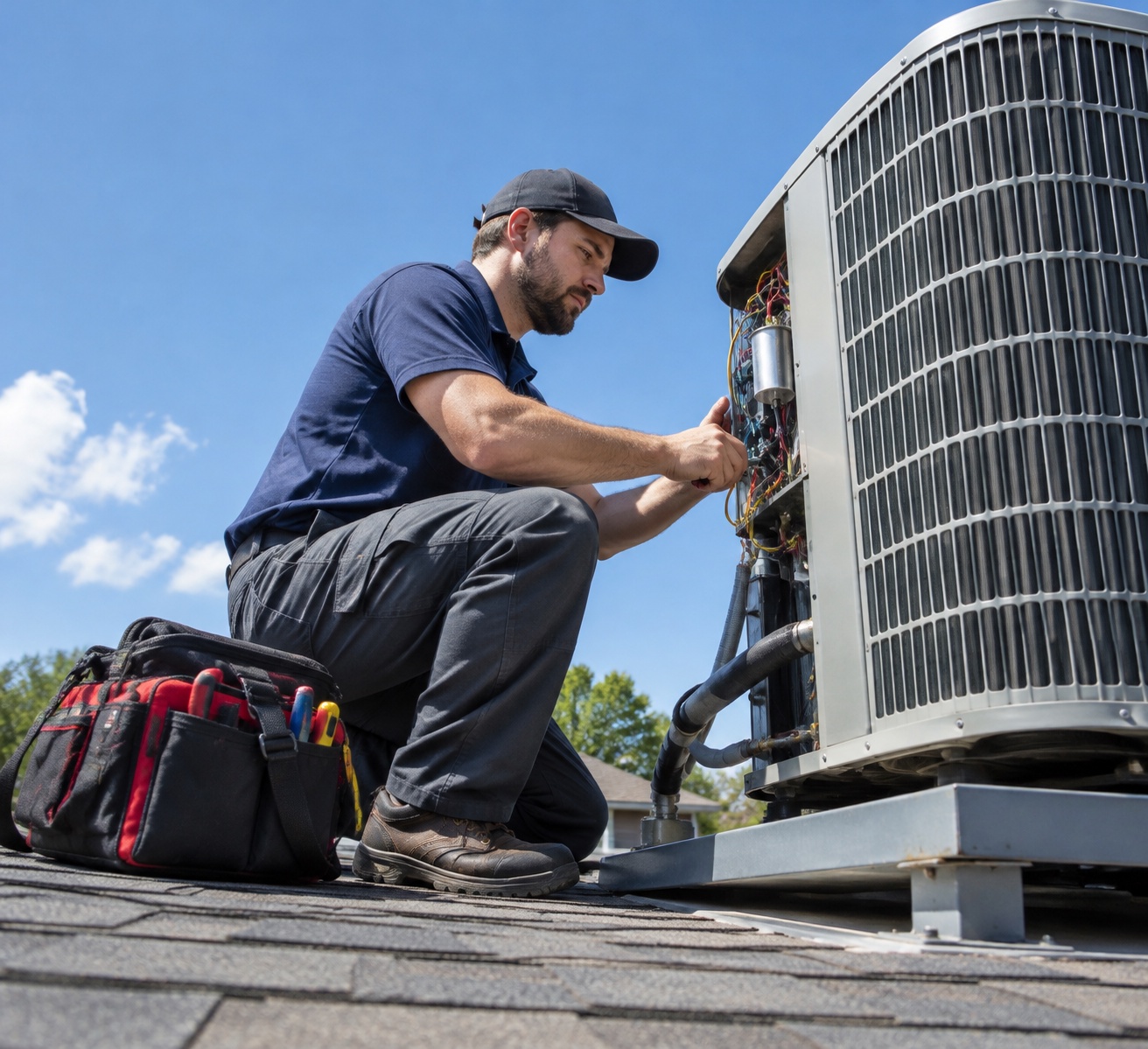 Job done: request sent
Google reviews for home services: plumbers, HVAC, cleaners and contractors.
Key takeaways
- Ask for an honest review at a clear point in the job, such as after the final walkthrough or service follow-up.
- Use the same fair approach for all eligible customers, rather than asking only those who seem happy.
- Send customers directly to your Google review form with a simple link or QR code.
- Reply professionally without revealing addresses, access details, payment information, or other private facts.
- Treat reviews as useful feedback about communication, scheduling, workmanship, and the experience inside someone’s home.
Why reviews matter when you work in someone’s home
Hiring a home service business involves trust. A homeowner may be dealing with a leaking pipe, a broken heating system, an overdue cleaning, or a renovation that will disrupt daily life. They want to know whether you will explain the work, respect their space, and follow through.
Reviews help answer those practical questions. Your website can describe your services, but customer feedback offers another view of how your business operates. Comments about clear estimates, tidy work areas, and dependable communication can help people decide whether to contact you.
Reviews can support your presence on Google, but they are not a guaranteed route to a particular search position. Keep your business profile accurate, including your services, service area, hours, and contact details.
For advice tailored to the work you do, explore our industry guides page.
Choose a review moment that fits the job
The right moment is usually when the customer has enough experience to give useful feedback. That means the work should be complete, or a clearly defined service visit should have ended.
Avoid asking while someone is still deciding whether to approve additional work. A review request should never feel connected to the price, warranty, or willingness of your team to help.
For plumbers: Ask after the repair is complete, the work area is clean, and you have explained what was fixed. If the customer needs to monitor the repair, a later follow-up may be more appropriate.
For HVAC businesses: A completed maintenance visit can have a straightforward review request. For an installation, wait until testing, controls, and handover are finished so the customer understands the new system.
For cleaners: Ask after a completed clean, when the customer has had a reasonable chance to see the results. With recurring service, choose a consistent milestone rather than requesting a review after every visit.
For contractors: The final walkthrough or project closeout is often a natural point. For long projects, feedback during the job is useful, but a public review request generally makes more sense after a meaningful completed stage.
Set timing around the service process, not around whether you expect praise.
Make asking part of your normal workflow
Review requests are easier to maintain when they belong to an existing routine. Attach the request to your completion message, receipt email, or post-service follow-up rather than relying on someone to remember later.
Give one person responsibility for the process. That might be your office manager, dispatcher, or you. Technicians and crew members can mention the request, while the office sends the link consistently.
A simple workflow looks like this:
- Confirm that the scheduled work is complete.
- Send the normal service summary or handover information.
- Include a brief invitation to leave an honest Google review.
- Check for new reviews and respond regularly.
- Share useful feedback with the team.
Use neutral eligibility rules, such as completed jobs with valid contact details and appropriate permission to message. Do not exclude customers because they complained, requested a correction, or gave negative private feedback.
If you use a satisfaction survey, keep it separate from access to your public review link. Sending happy customers to Google while steering unhappy customers only to a private form is review gating.
Write a request that feels helpful, not pushy
A good request is short, recognizable, and easy to act on. Identify your business, connect the message to the completed service, and ask for honest feedback without suggesting a rating.
You could use a message like this:
“Thank you for choosing our team for your recent service. If you would like to share your experience, you can leave an honest Google review here: [review link]. We appreciate your feedback.”
For an in-person mention, keep it equally relaxed:
“We’ll send your service summary shortly. It includes a Google review link if you’d like to share how the visit went.”
These are request templates, not customer testimonials. Adapt them to your voice, but avoid asking for a five-star review or providing wording for the customer to copy.
You can offer an optional prompt, such as mentioning the service received or how communication went. Do not require keywords, staff names, photographs, or a particular description.
One gentle reminder may be reasonable if the customer has not responded. Stop if they decline, and avoid repeated requests across text, email, and phone.
Make the link easy to use and protect customer choice
Use the review link available through your Google Business Profile. Test it before adding it to messages, invoices, or printed materials so customers reach the intended business.
A QR code can work on a leave-behind card or service paperwork. Label it clearly so people know it opens a Google review page. An email or text link may be easier for customers who are already reading on their phone.
Let customers use their own device and write in their own words. Avoid standing over them while they submit feedback or asking them to complete a review before your crew leaves.
Never offer discounts, gifts, free services, prize entries, or other benefits in exchange for reviews. That includes offers for an “honest” review, not just a positive one.
Do not ask employees, relatives, or others with a conflict of interest to review your business. A smaller collection of genuine customer experiences is more useful than feedback that puts trust or your profile at risk.
Respond with care, especially when something went wrong
A review response is public customer service. The person who posted it matters, but future customers will also see how you handle praise, confusion, and criticism.
For positive feedback, thank the reviewer and acknowledge a detail they shared. Keep the response natural rather than repeating the same promotional paragraph every time.
For negative feedback, pause before replying. Check your records, speak with the team, and separate what you can confirm from what remains unclear. Then acknowledge the concern and offer a practical way to continue the conversation privately.
Avoid publishing the customer’s address, appointment details, access arrangements, invoice balance, or private messages. Even if the reviewer shares personal information first, you do not need to repeat it.
You can say that you would like to understand what happened and invite them to contact your office. Do not promise a refund, repair, or other remedy publicly unless you are ready and authorized to provide it.
Never make resolving a complaint conditional on changing or deleting a review. Fixing the service issue and managing public feedback are separate responsibilities.
Turn review feedback into better service
Reviews are most useful when they lead to action inside the business. Look for recurring themes rather than treating every comment as an isolated event.
If customers mention unclear arrival times, examine your scheduling messages. If they are unsure what a repair includes, improve the explanation before work begins. If cleanup gets overlooked, make it part of the job completion checklist.
Share praise with the people who earned it, but avoid staff targets that encourage pressure or selective requests. Rewarding good service internally is different from paying customers for public feedback.
Keep the review routine manageable. Regular attention to requests, replies, and service improvements is more sustainable than an occasional push followed by months of silence.
Common questions
Can we ask every customer for a Google review?
Yes, you can invite customers with genuine experiences to leave honest reviews. Use consistent, neutral criteria and appropriate messaging permissions. Do not limit invitations to customers who gave positive feedback privately.
Can we offer a discount for leaving a review?
No. Google prohibits incentives for reviews, including discounts, gifts, and free services. The rule still applies if you ask for honest feedback or say that any rating qualifies.
What should we do about a review we cannot recognize?
Check your records before assuming it is fake. The reviewer may use a different name from the person who booked. Reply calmly without exposing private information, and report the review if you believe it violates Google’s policies.
Should we ask recurring cleaning customers repeatedly?
Avoid asking after every visit. Choose a reasonable, consistent point in the relationship and respect customers who decline. If their experience changes over time, they can update an existing review, but do not pressure them to do so.
Can a customer remove a negative review after we fix the problem?
Customers can choose to edit or remove their reviews. Resolve the issue because it is the right service action, without requiring a review change or offering anything in exchange.
Next step
If you would like a simpler way to build your review routine, try Review Maiden free.